Property type
Residential Plumbing in Denver
A home's plumbing is supply pipes bringing water in, drains and vents carrying it out, and the fixtures and water heater in between. Each part fails differently.

Residential plumbing in Denver covers an unusually wide range of houses: 19th-century Victorians, Denver Squares and bungalows, postwar ranches, and recent construction. The age of the house tells a plumber a lot about what is behind the walls before anything is opened, and it shapes which problems are likely.
Plumber Denver provides home plumbing services across the Denver metro and the Front Range, from Colorado Springs to Fort Collins. This page explains how the system in a typical home works, where it tends to fail, and which service fits the problem. When you are ready, request service online.
Method
How the work is done
- 01
Tell us what's happening
Use the request form to describe the symptom, where in the house it shows up, and how long it has been going on.
- 02
Diagnose on site
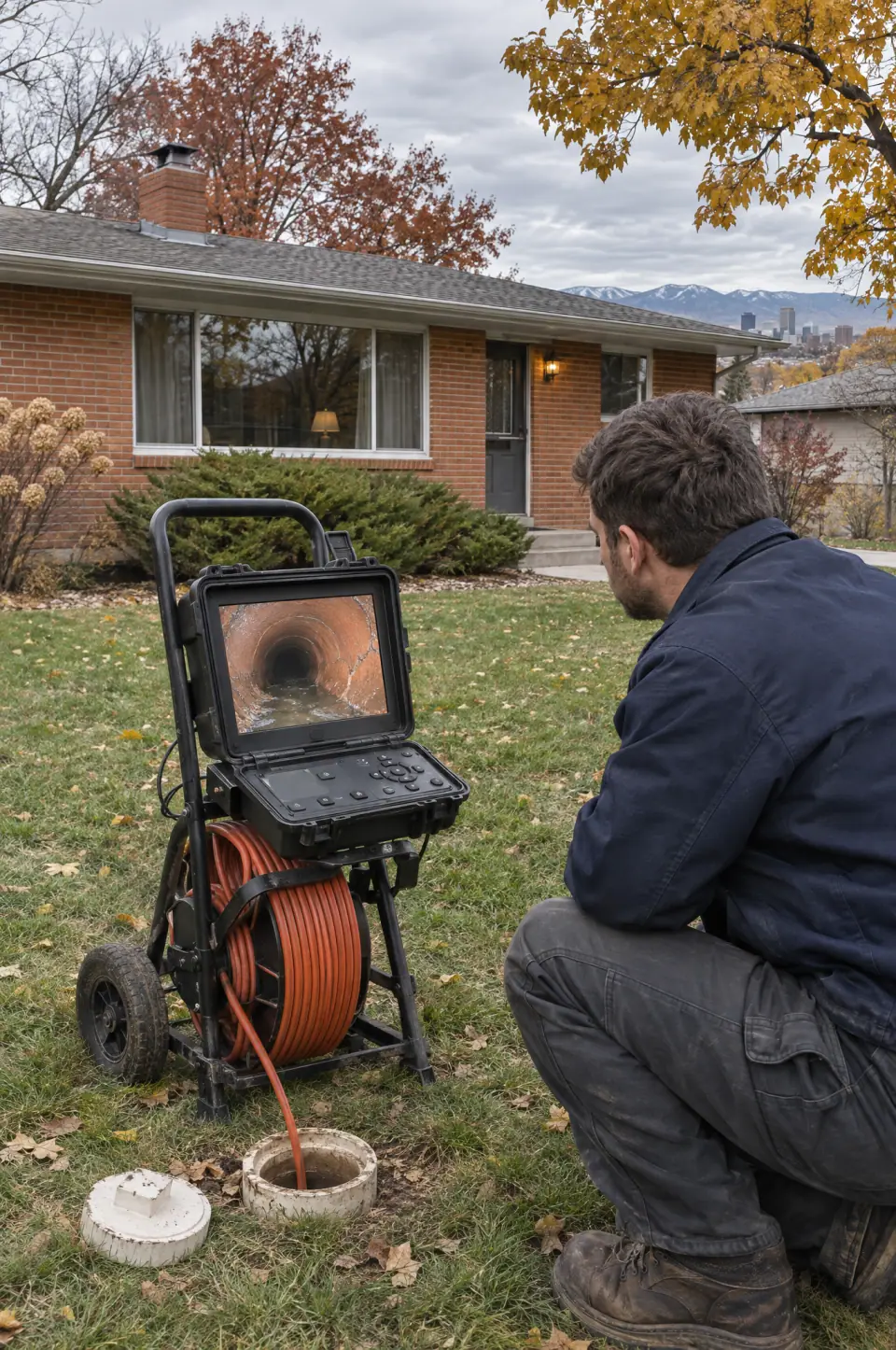
We confirm the cause before recommending work, using a meter test, pressure test or camera where it applies.
- 03
Agree on the scope
You see the options and their trade-offs before work starts, including whether a permit is involved.
- 04
Repair and test
Work is tested under normal use, and we point out anything nearby that looks likely to fail next.
Services for your home
Home plumbing services by problem
Most residential calls fall into one of these categories:
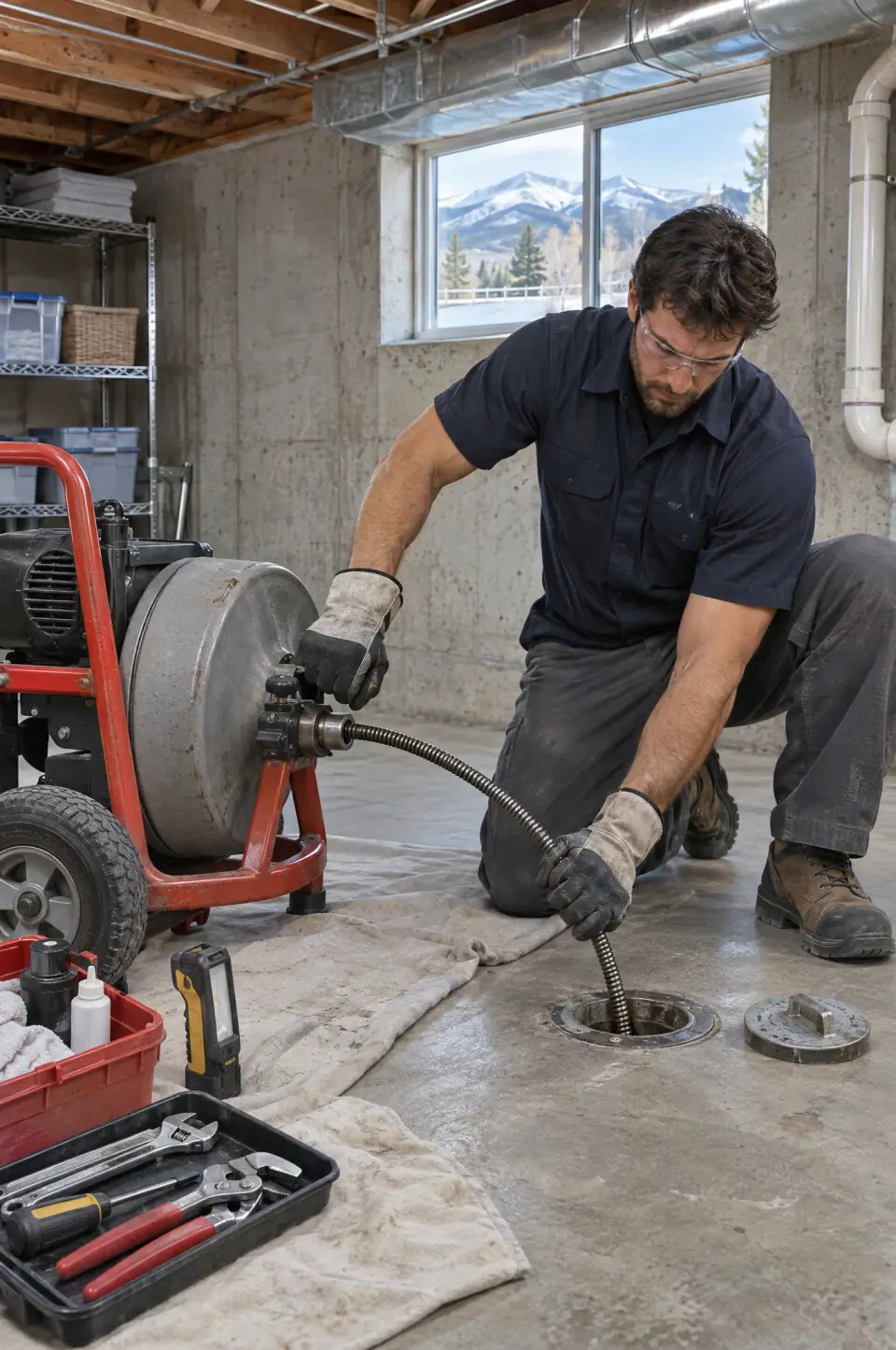
- Slow or backed-up drains: drain cleaning for sinks, tubs, toilets and main lines.
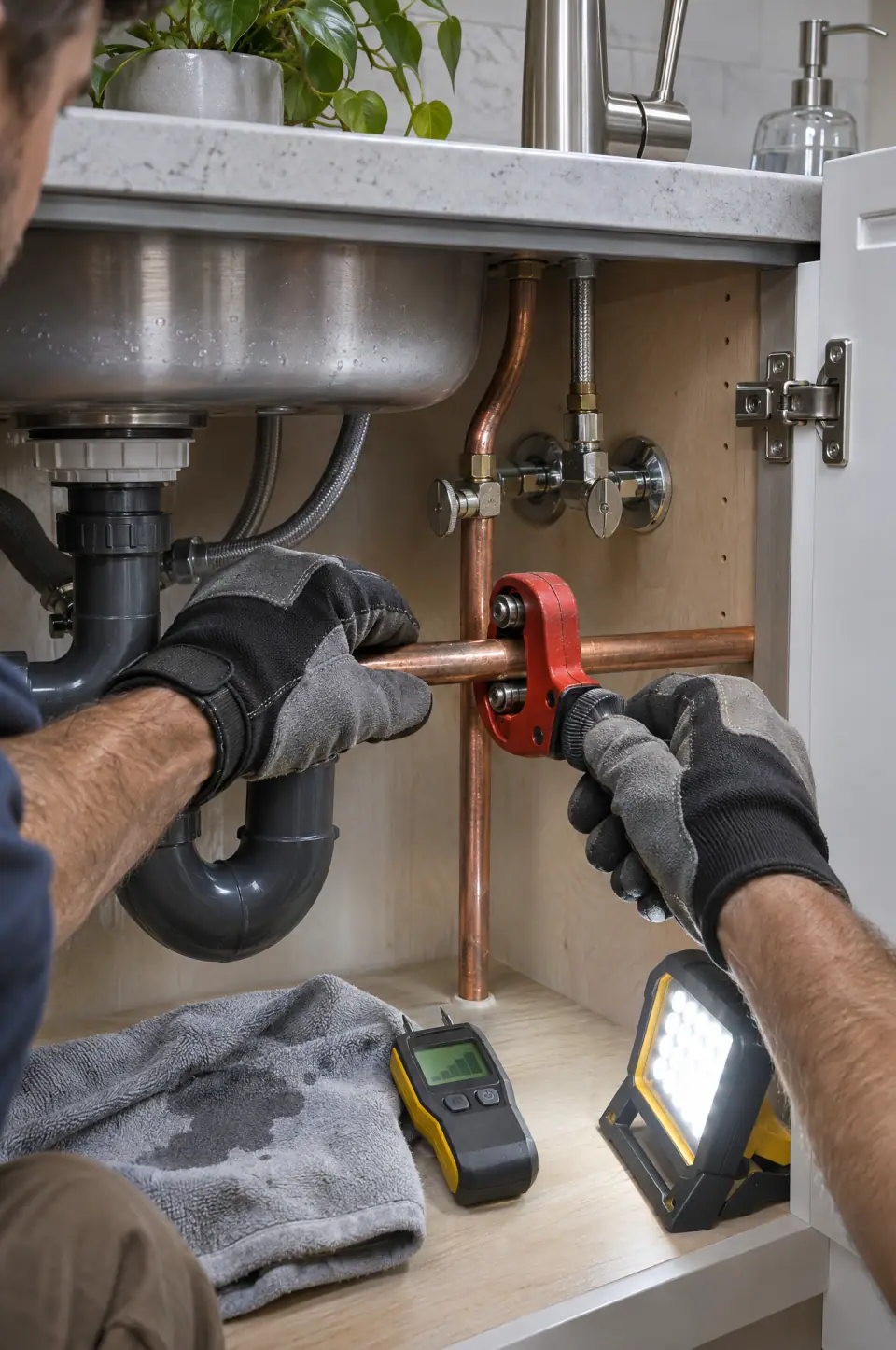
- Water where it shouldn't be: leak repair for supply lines, fixtures, service lines and slab leaks.
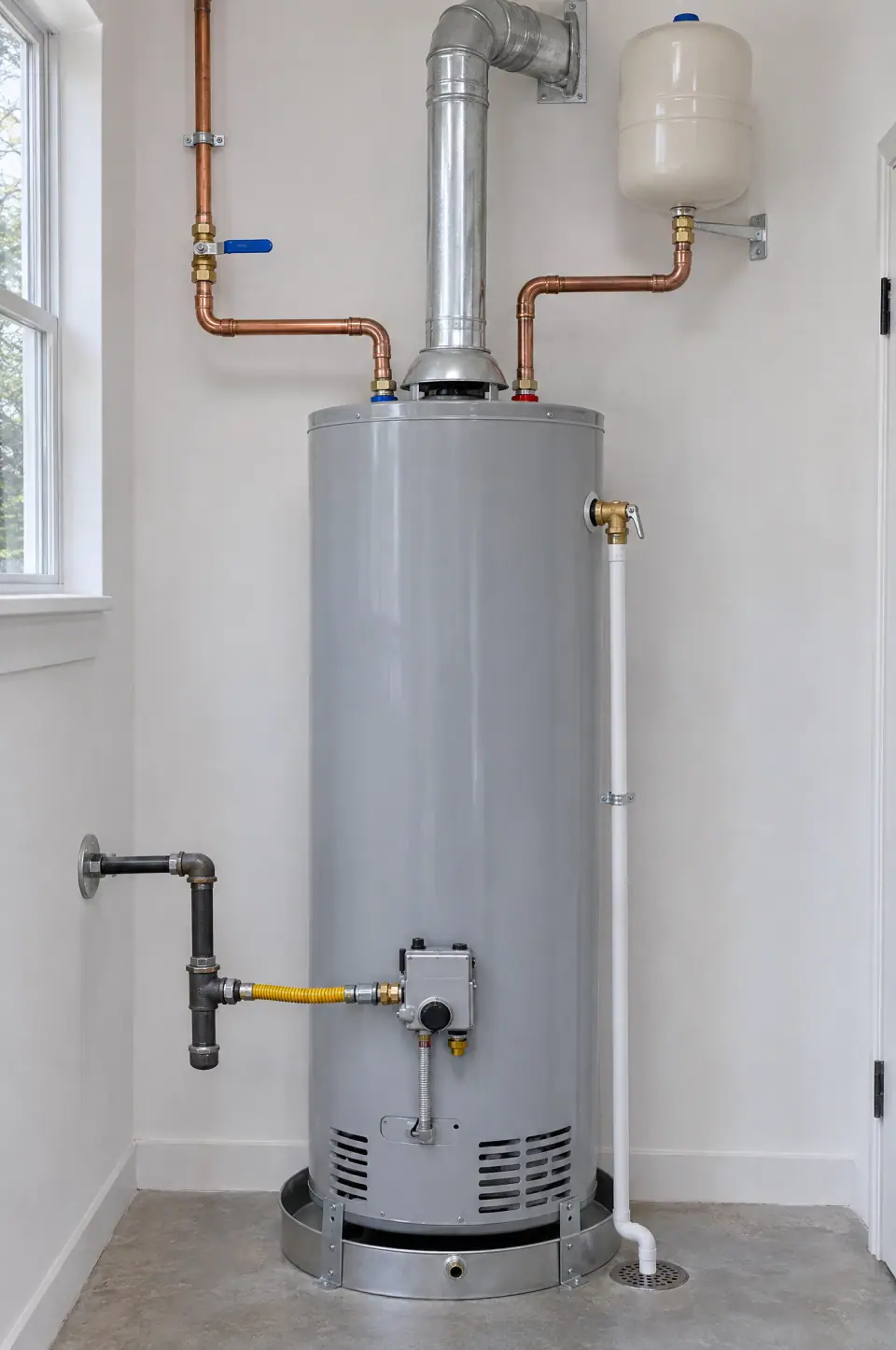
- No hot water or a leaking tank: water heater repair and replacement, tank and tankless.
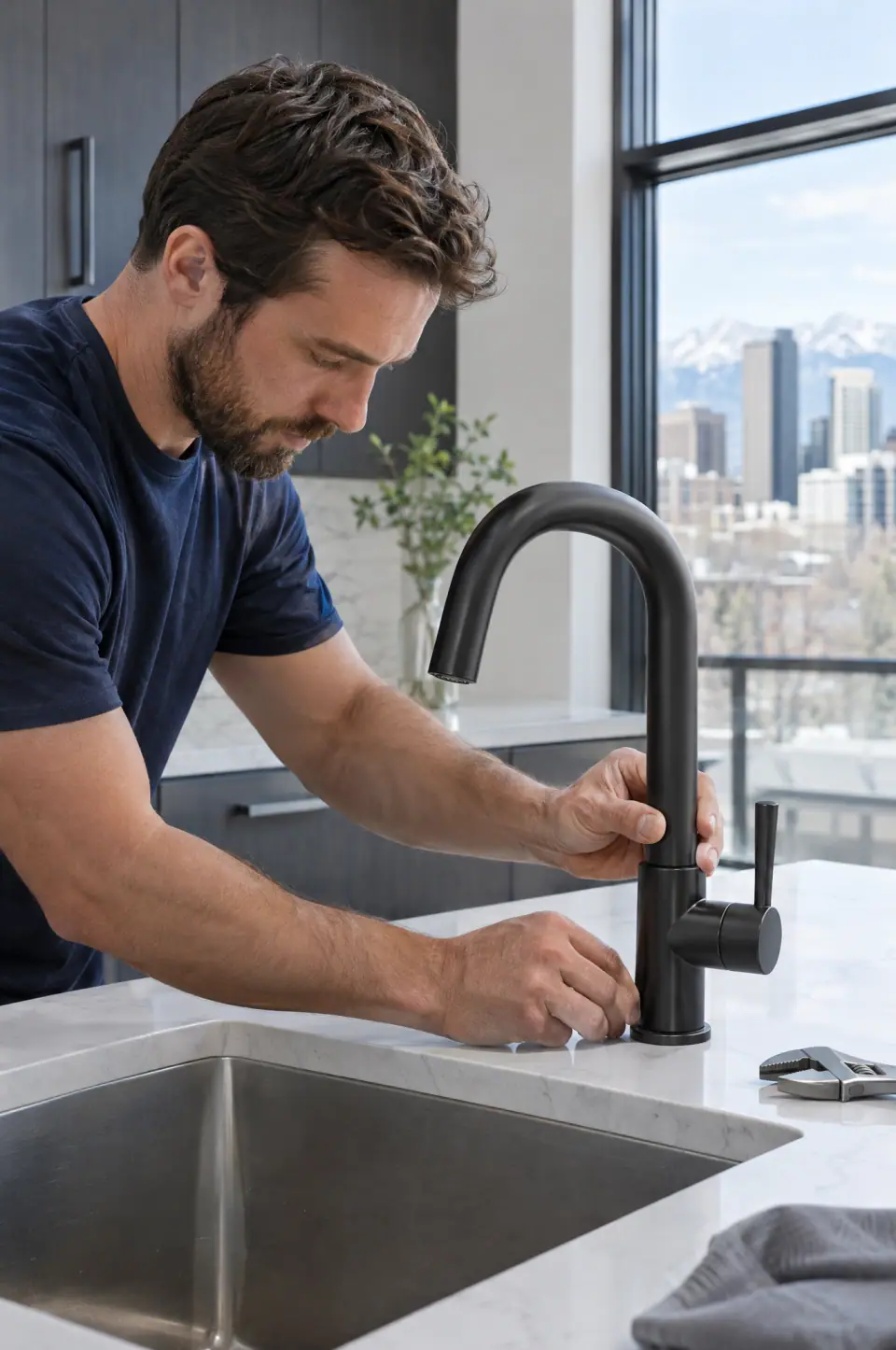
- New or replacement fixtures: faucet, toilet and sink installation, plus shower valves.
- Repeat main line backups: sewer camera inspection and sewer line repair.
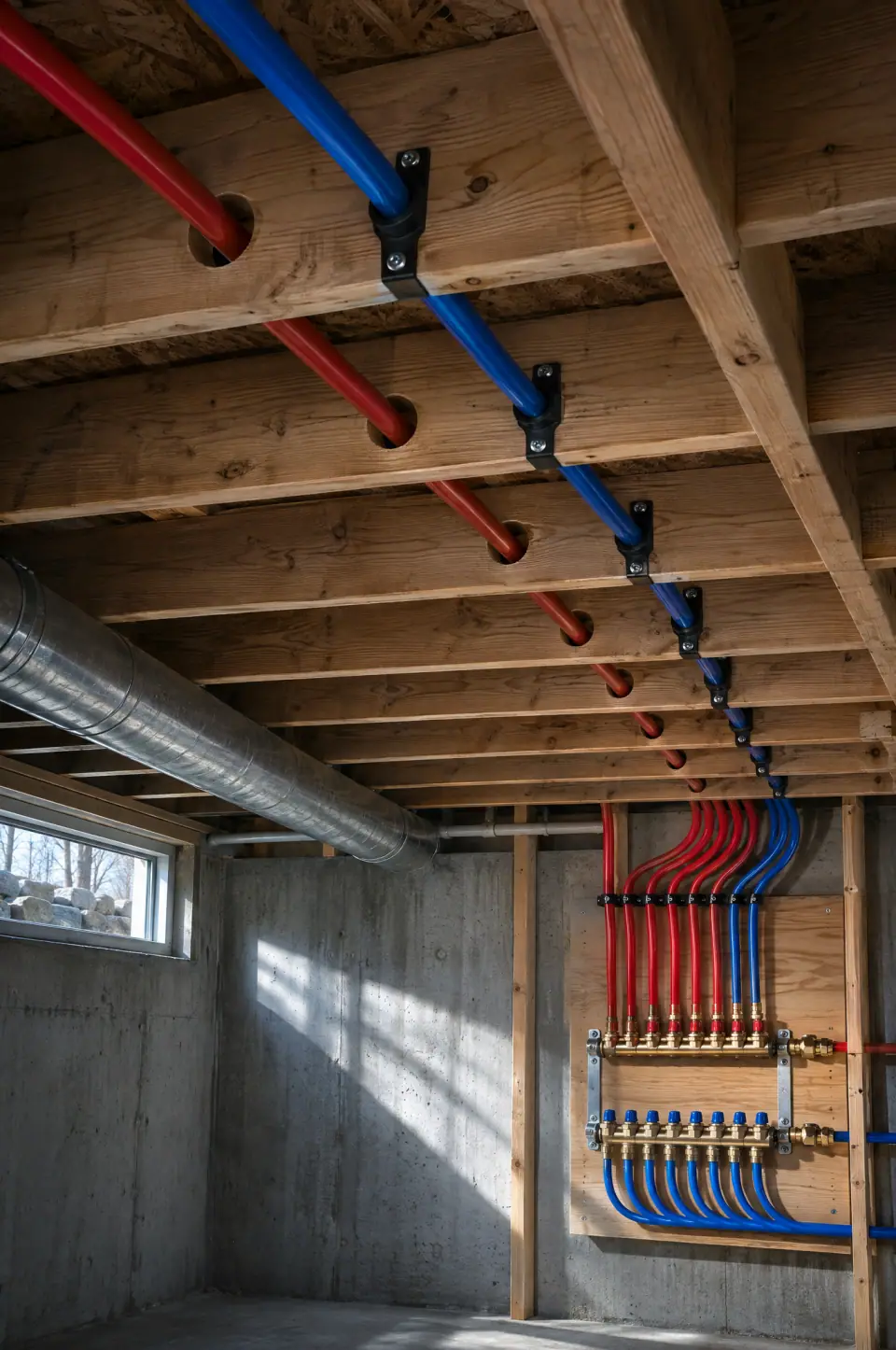
- Corroded, burst or outdated pipe: pipe repair and whole-house repiping.
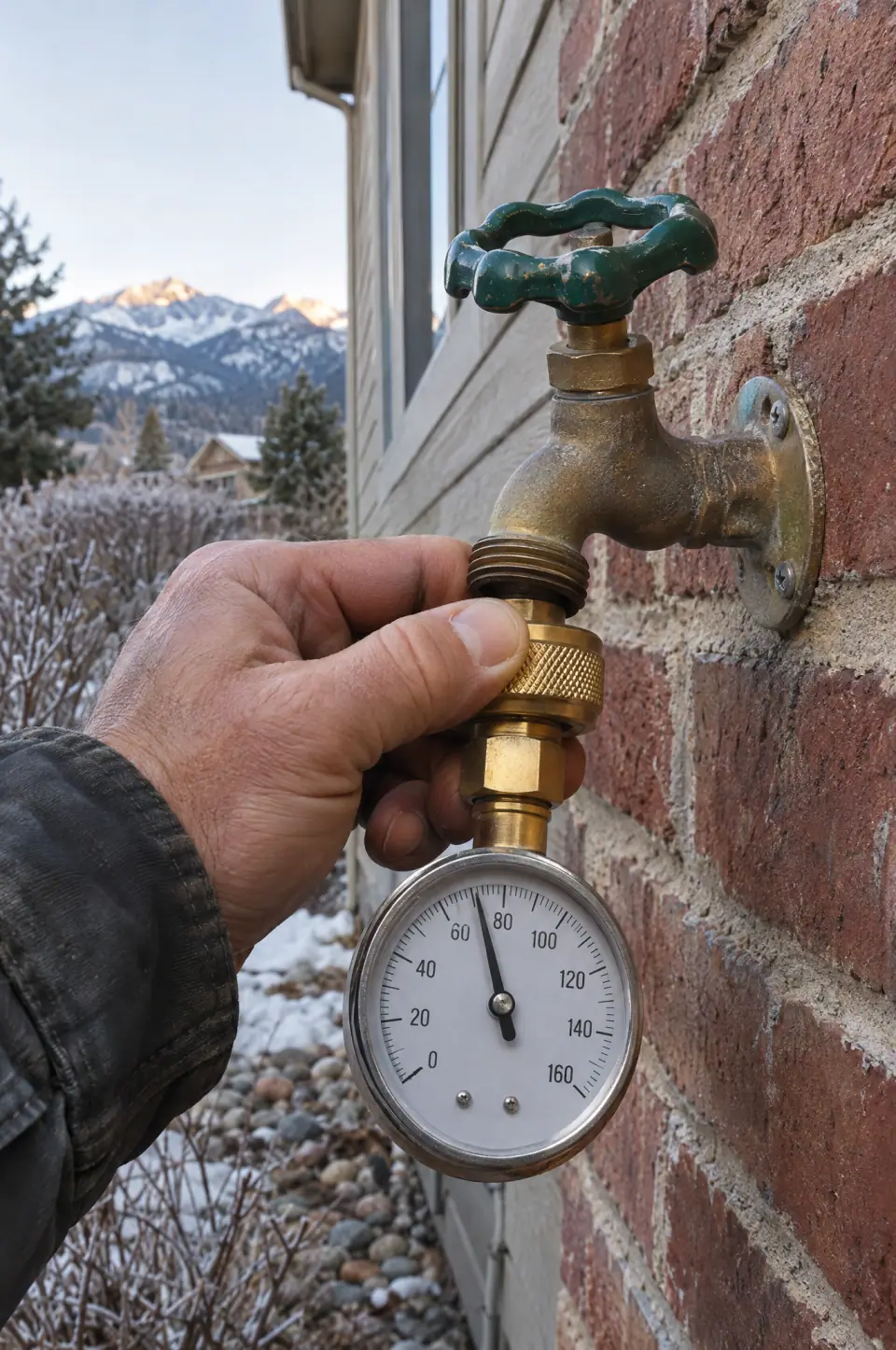
- Avoiding the next problem: seasonal plumbing maintenance and winterizing.
If you aren't sure which category fits, describe the symptom on the request form. Slow drains in several rooms at once, for example, usually point to the main line rather than the individual fixtures.
Landlords and owners of mixed-use buildings can find tenant scheduling and code topics on our commercial plumbing page. For the cities we cover, see service areas.
What to expect by era of house
These are tendencies, not rules. Many older homes have been partly replumbed, so one house can show work from several decades.
| Era | Plumbing you may find | Worth checking |
|---|---|---|
| Before about 1940: Victorians, Denver Squares, bungalows (Capitol Hill, Baker, Highlands, Wash Park) | Galvanized supply remnants, cast iron drains, clay or cast iron sewer lateral | Service line material, sewer camera inspection, leftover galvanized |
| Postwar ranches, 1950s to 1960s (Harvey Park and similar) | Copper or galvanized supply, cast iron drains, clay lateral, mature trees nearby | Roots in the sewer line, aging cast iron, original shutoff valves |
| Late 1970s to mid-1990s | Copper, possibly polybutylene supply, plastic drains | Look for gray PB2110 pipe |
| 2000s and newer | PEX or copper supply, PVC or ABS drains | Water heater age, supply hoses, fixture valves |
Denver Water says homes built before 1951 are more likely to have lead service lines, and its Lead Reduction Program replaces them at no direct charge. Check its inventory map for your address.
Room by room: where problems start
Kitchen
Grease and food scraps are the usual cause of kitchen clogs. Supply hoses to the faucet and dishwasher age out and are worth replacing before they fail.
Bathrooms
Toilet flappers and fill valves leak silently; wax seals leak onto the subfloor. Slow tubs and sinks are usually hair. Older shower valves can drip or lose temperature control.
Basement and utility area
This is where the water heater, the main shutoff, the floor drain and often the sewer cleanout sit. Know where the shutoff is and confirm it turns. A floor drain that backs up points to the main sewer line. If a basement bathroom sits below the sewer line, it may drain through an ejector pump, and a pump that runs constantly or sounds an alarm needs attention.
Outside
Hose bibs and exposed lines are vulnerable in Front Range freezes. Denver Water advises disconnecting hoses in cold weather so freeze-proof faucets can drain, and irrigation systems need to be drained and shut off before winter.
Colorado conditions that affect home plumbing
A few regional factors come up again and again on the Front Range:
- Elevation. Gas water heaters are rated for altitude, and installations here should follow the manufacturer's high-altitude requirements.
- Freeze-thaw cycles. Pipes in exterior walls, crawlspaces and garages are at risk, and a frozen pipe often leaks only after it thaws.
- Expansive soils. The Colorado Geological Survey documents swelling clay soils in parts of the Front Range urban corridor, and moving soil stresses buried and under-slab pipe and can contribute to offset joints in older rigid sewer pipe.
- Who owns what. In Denver, the owner is responsible for the water service line under Denver Water's rules and for the sewer lateral up to and including the tap under the city's rules.
Ready to have it looked at? Send the details and we will confirm a time.
Request ServiceFAQ
Residential Plumbing questions
Do I need a permit for plumbing work in Denver?
Some work, yes. Denver's Community Planning and Development department issues plumbing permits, and jobs such as water heater replacement, adding or relocating fixtures, repiping and sewer line replacement generally require one. Simple repairs like clearing a drain or fixing a leaking faucet generally do not. Requirements differ in other cities, so check with the local building department for your address.
Where is the main water shutoff in my house?
Usually where the water service line enters the house, which is often in the basement or crawlspace near the wall facing the street, or next to an indoor water meter. Many homes also have a curb stop outside, which typically needs a special key. Find the shutoff before you need it and test that it turns.
Should I have the plumbing checked before buying an older home?
It is worth it for most older houses. A general home inspection looks at visible plumbing, but it usually doesn't include a camera inspection of the sewer lateral or a close look at service line material. A sewer camera inspection, a check for galvanized or polybutylene supply pipe, and the water heater's age give you a clearer picture before closing.
Do you work outside the city of Denver?
Yes. Plumber Denver provides residential and commercial plumbing along Colorado's Front Range, from Colorado Springs north to Fort Collins, including the Denver metro. Our service areas page lists the communities we cover. Keep in mind that water and sewer ownership rules and permit requirements vary by city and utility.
Residential Plumbing across the Front Range
Request service
Ready when you are.
Tell us what is going on and where. We will confirm the details and set a time that works for you.