Property type
Commercial Plumbing in Denver
Drain, water heater, fixture and pipe work for businesses and rental properties, planned so tenants and customers lose as little time as possible.
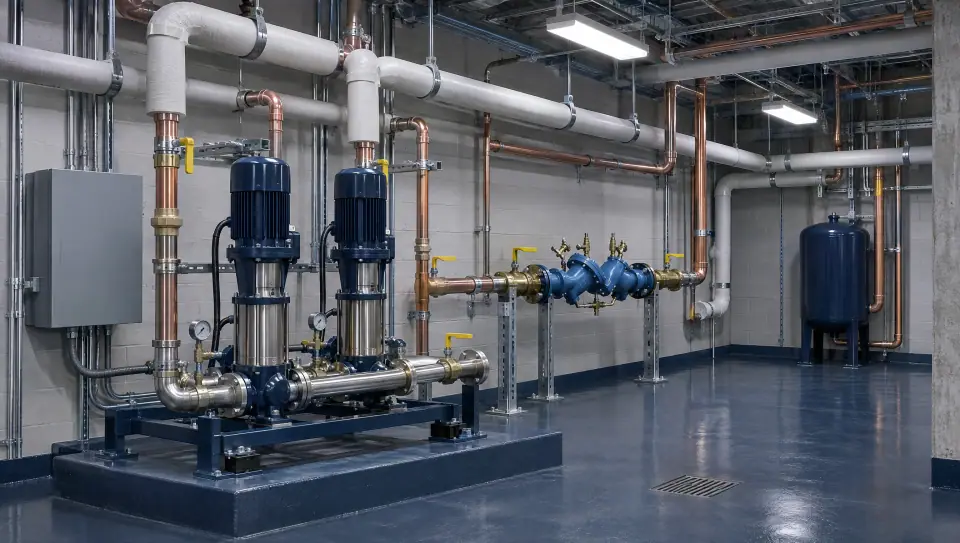
Commercial plumbing in Denver differs from residential work less in the pipes than in the constraints: tenants who need notice before the water goes off, kitchens that can't close at lunch, and a water provider and city with their own rules for backflow assemblies and grease interceptors.
Plumber Denver handles drain cleaning, leak and pipe repair, water heater replacement, fixture work and sewer line services for commercial properties from Colorado Springs to Fort Collins. Below is what property managers and owners should know before calling a commercial plumber.
Method
How the work is done
- 01
Site walk-through
We locate shutoffs, water heaters, cleanouts and interceptors and note which tenants each one affects.
- 02
Scope and schedule
You get a written scope and a proposed work window that accounts for tenant notice and business hours.
- 03
Do the work
Repairs and replacements are done with the smallest practical section of the building shut down.
- 04
Close out
We restore service, confirm fixtures and drains work, and leave notes on what was done and what to watch.
Commercial services
Backflow assemblies and annual testing
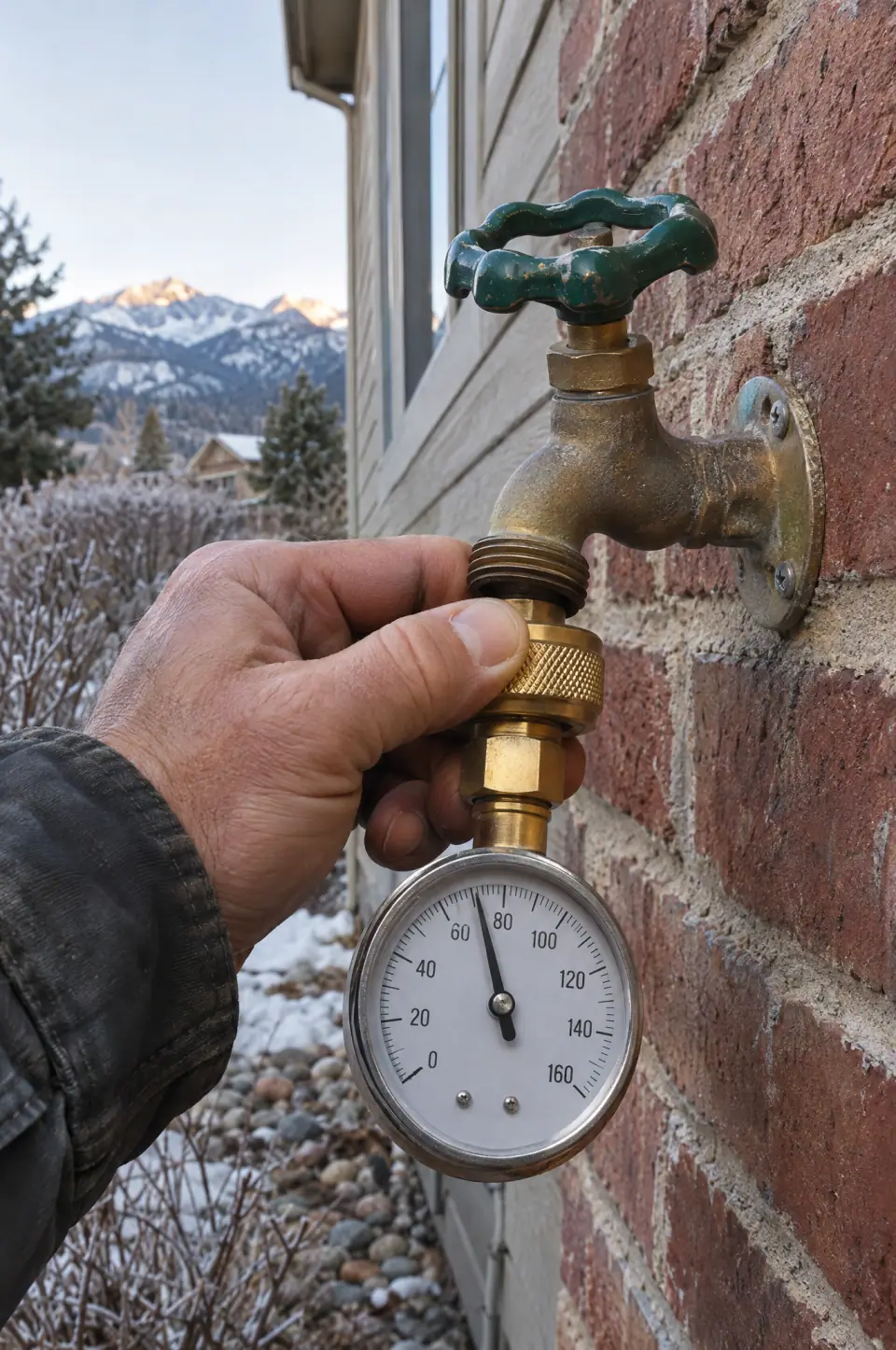
Colorado's Primary Drinking Water Regulations (Regulation 11, section 11.39) require public water suppliers to control cross-connections, and suppliers carry that out through cross-connection control programs. Under those programs, backflow prevention assemblies are tested when installed and annually after that by a credentialed cross-connection control technician, with test reports sent to the water provider.
Denver Water surveys commercial service lines, fire lines, dedicated irrigation lines and multifamily service lines. Its program notes that reduced pressure (RP) assemblies are required for most commercial and industrial uses, and that it can suspend service where a required assembly hasn't been installed or tested. Aurora Water, Colorado Springs Utilities, Fort Collins Utilities and other providers run their own programs with their own forms and deadlines.
What property managers should keep on file:
- The location and type of each assembly (domestic, fire, irrigation)
- The most recent test report and the next due date
- Contact information for the tester who handles the building
Restaurants: grease interceptors and kitchen drains
In Denver, food service operations outside single-family and duplex buildings need a grease interceptor, and its design is reviewed with the building permit through the city's Sewer Use and Drainage Permit process. Denver's published guidance includes several details worth knowing before a remodel or lease:
- Kitchen, food prep and ware-washing dishwashers must discharge through the interceptor; bar dishwashers in beverage service areas may not connect to it.
- Changes in ownership, menu, process, seating or equipment can trigger review, and an existing interceptor may need inspection for condition and size.
- Ejector pumps aren't allowed upstream of an interceptor, and a shared interceptor must be sized for every space it serves.
Suburban sewer utilities run their own programs; South Platte Renew, for example, publishes requirements for food service establishments in its service area.
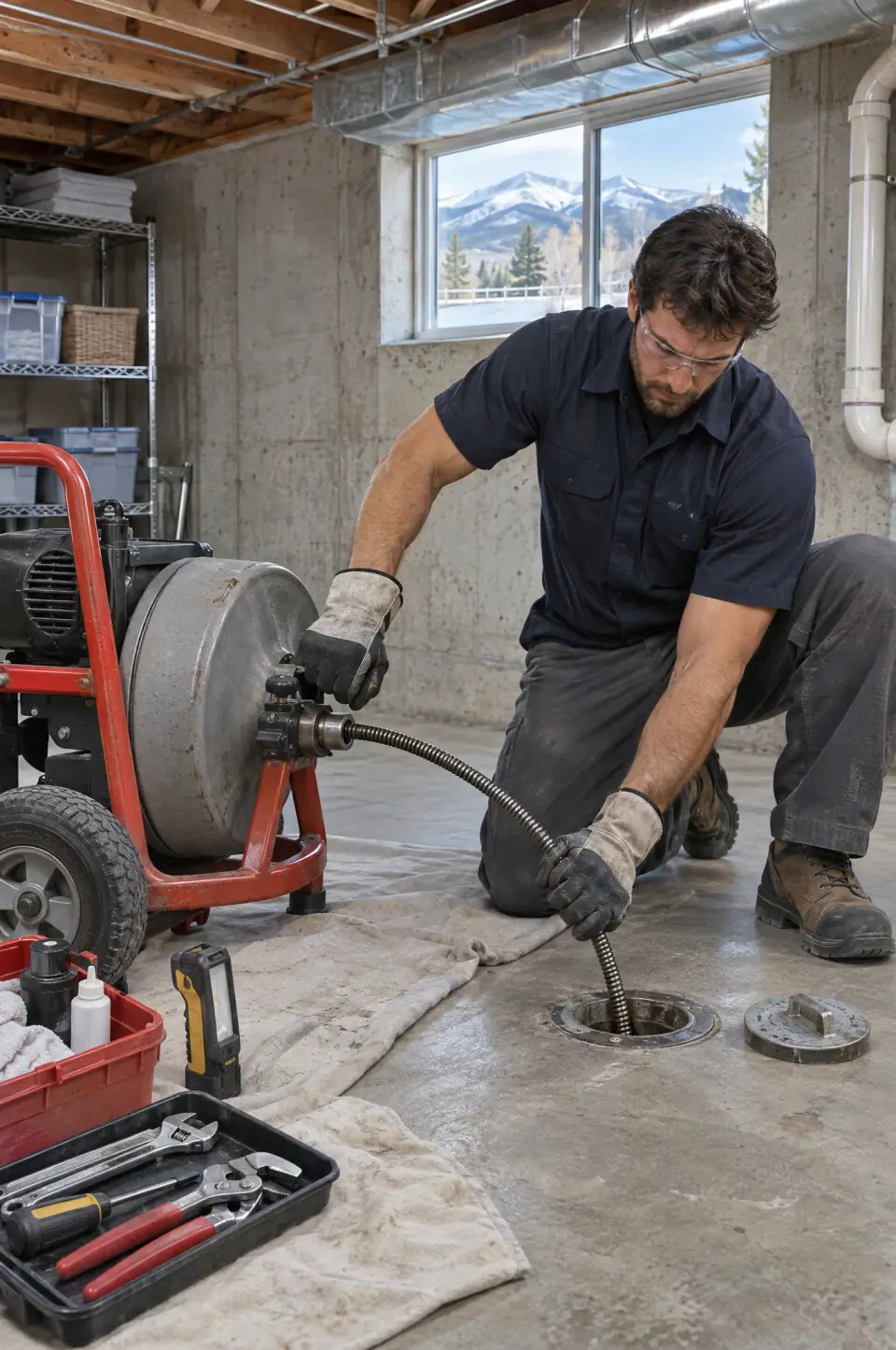
On the plumbing side, kitchen lines downstream of sinks and dishwashers still build up grease between interceptor pumpings. Regular drain cleaning of those lines, scheduled outside service hours, keeps a backup from closing the kitchen. Interceptor pumping itself is handled by a grease hauler.
Common problems by property type
Each kind of building wears its plumbing differently, which changes what to inspect and when.
| Property type | Typical issues | Scheduling consideration |
|---|---|---|
| Restaurant | Grease in kitchen lines, floor drain odors, hot water demand at peak hours | Work before opening or after close |
| Retail | Restroom clogs, flush valve wear, slab leaks under sales floors | Avoid store hours; protect inventory |
| Office | Restroom fixture wear, break room sinks, water heater capacity | Evenings or weekends for shutoffs |
| Multifamily | Stack clogs, shared water heaters, unit-level leaks reaching units below | Written notice to every affected unit |
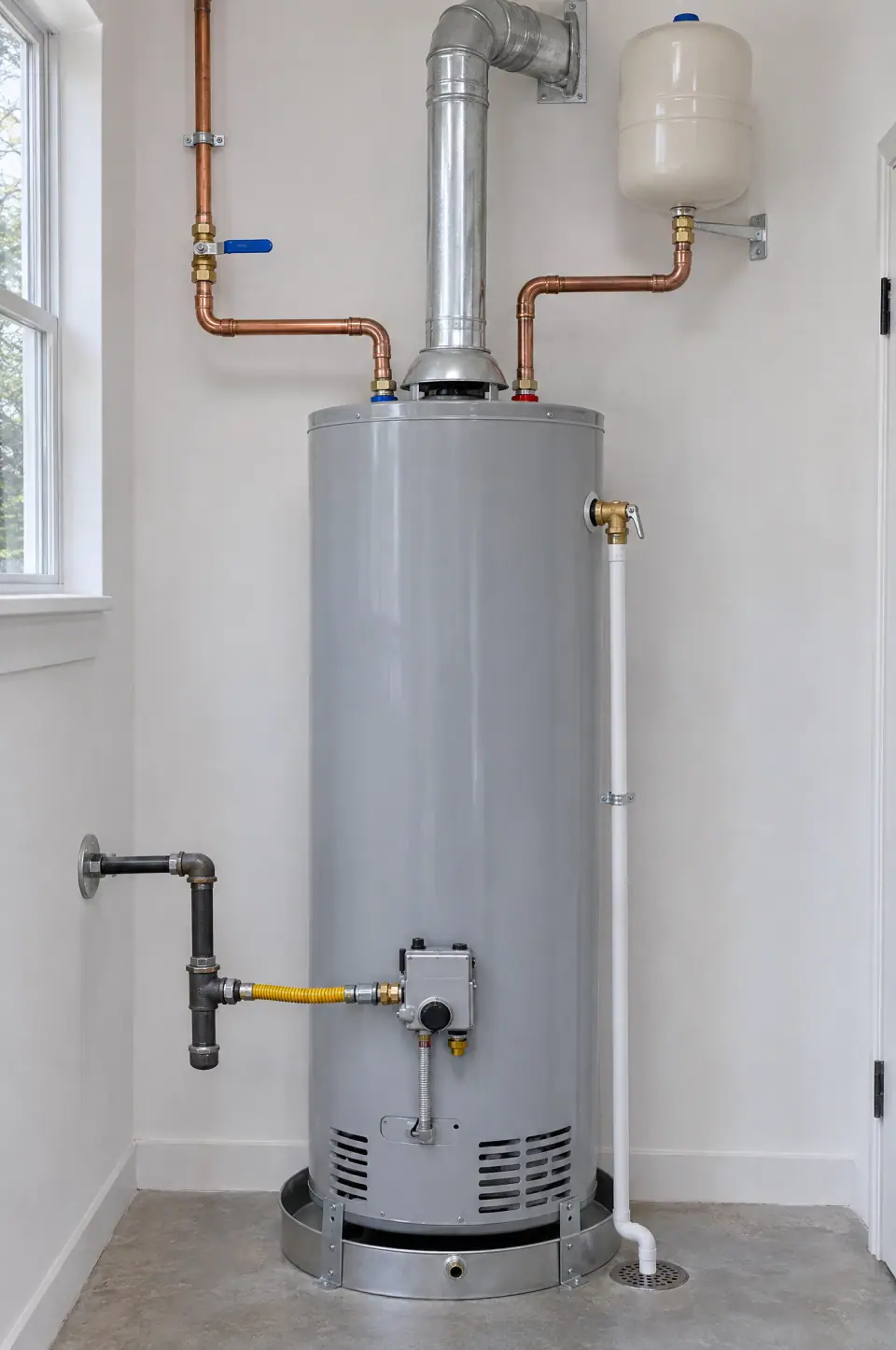
Water heater replacement deserves advance planning in Denver. For existing commercial and multifamily buildings, the city's energy code can require an Electrification Feasibility Report before a gas water heater is replaced, with electrification required when that report shows it's cost-effective. Like-for-like replacements that qualify for a Quick Permit, which since September 2026 includes many commercial water heaters under 200 MBH, are exempt. Replacing a unit before it fails leaves time to sort this out. Our water heater repair and installation page covers the equipment side.
Scheduling work around tenants
The biggest variable in commercial plumbing is how much of the building has to go without water. Older buildings often lack isolation valves on branch lines, so a small repair can mean a building-wide shutdown. Adding valves during the first repair makes every later one smaller. After any shutdown, expect air and loosened sediment in the lines; aerators and flush valves catch that debris, so they get checked before we leave.
Before a scheduled visit, a property manager can help by:
- Identifying the main shutoff and any branch or floor valves, with keys to mechanical rooms.
- Sending tenant notice with the shutoff window and a contact name.
- Pulling as-built drawings, if any exist, and recent backflow and interceptor records.
- Clearing access to ceiling panels, cleanouts and water heater closets.
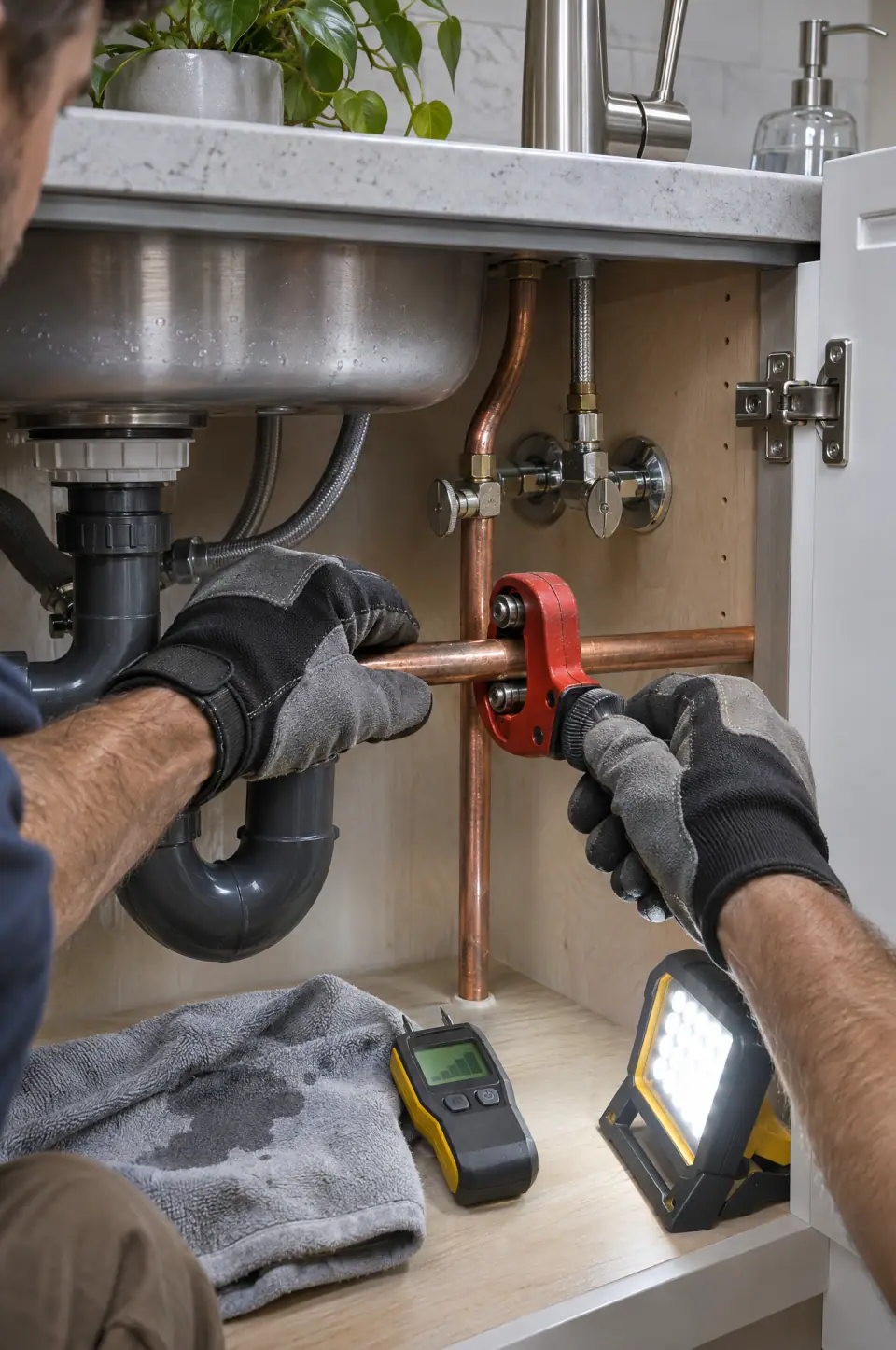
For leaks inside walls or under slabs, see leak repair. Recurring backups from the building's main line usually point to the sewer lateral, covered under sewer line repair.
Ready to have it looked at? Send the details and we will confirm a time.
Request ServiceFAQ
Commercial Plumbing questions
How often do backflow preventers need to be tested in Colorado?
Assemblies used to protect the public water supply are tested at installation and annually after that, under Colorado's drinking water regulations and each water provider's cross-connection control program. The test is done by a credentialed cross-connection control technician, and the report goes to the water provider. Denver Water, Aurora Water and other providers set their own submission forms and deadlines, so check with yours.
Does a Denver restaurant need a grease interceptor?
Generally yes. Denver's Sewer Use and Drainage Permit guidance requires grease interceptors for food service premises other than single-family and duplex buildings, with the design reviewed as part of the building permit. A plan reviewer can grant a variance at their discretion. Changes in ownership, menu or seating can trigger a review of an existing interceptor, so check before signing a lease or remodeling.
Can plumbing work be scheduled outside business hours?
Planned work such as fixture replacement, drain maintenance and water heater swaps can be scheduled around your hours. Unplanned failures are harder to time. Keeping shutoff locations, isolation valves and tenant contacts current shortens any shutdown when something does fail during the day.
Who is responsible for a backflow test, the owner or the tenant?
Water providers deal with their customer of record, usually the owner or account holder, and Denver Water mails a reminder before each annual test is due. Leases often assign the cost or scheduling to a tenant, especially for restaurant or irrigation assemblies, but the provider looks to its customer. Property managers should confirm who handles it and keep the latest report on file.
Commercial Plumbing across the Front Range
Request service
Ready when you are.
Tell us what is going on and where. We will confirm the details and set a time that works for you.