Service 06 / 07
Pipe Repair and Repiping in Denver
One failed fitting is a repair. A house full of corroded galvanized or aging polybutylene is a repiping decision, and the two call for different conversations.
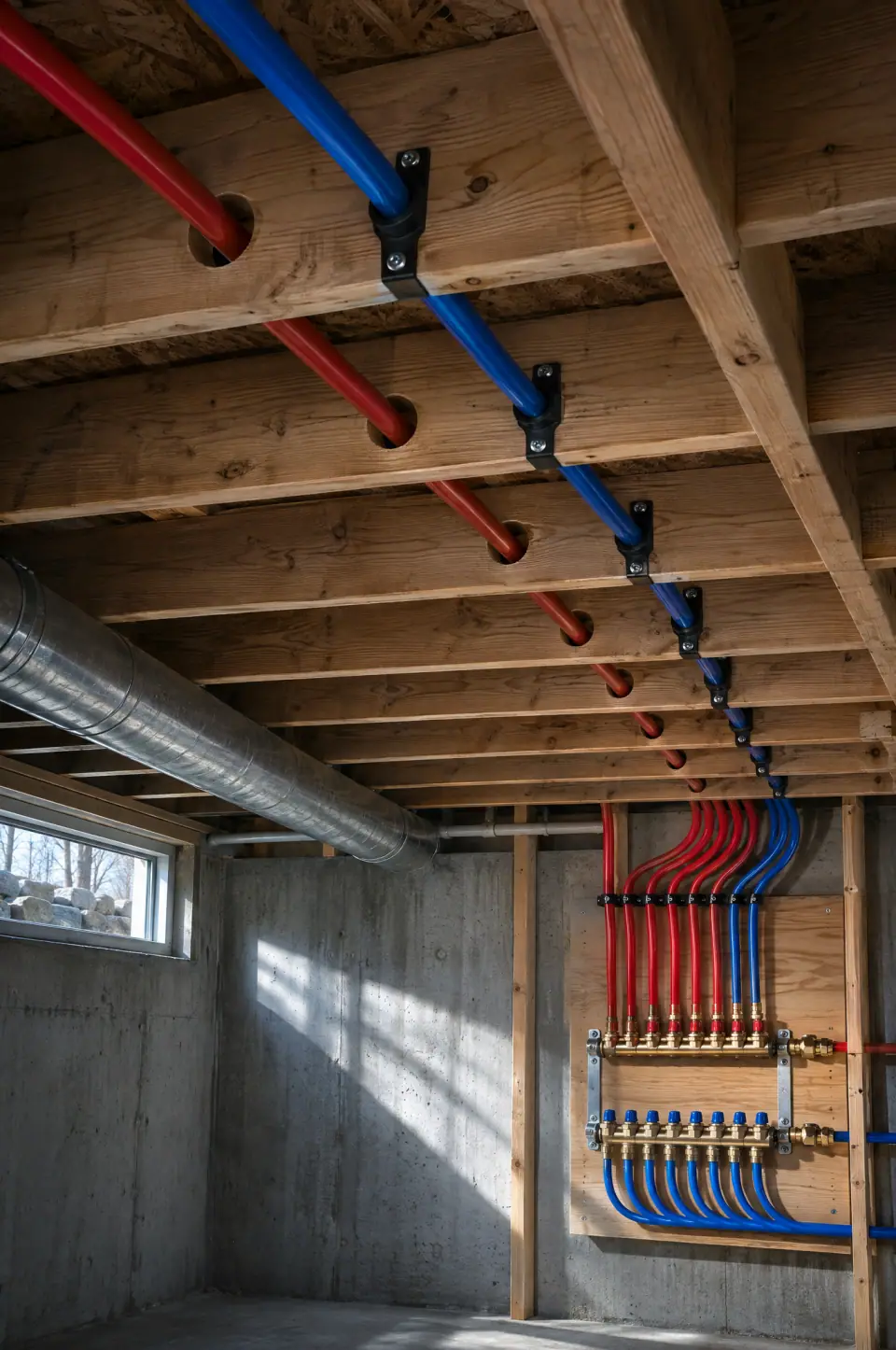
Pipe repair in Denver depends on what the house is plumbed with. A copper line split by a January freeze is a clean, contained fix. Galvanized steel that is rusting from the inside, or polybutylene supply pipe from the late 1970s to mid-1990s, tends to fail in more than one place, and repairing it one leak at a time gets expensive.
Plumber Denver repairs burst and leaking pipes and replaces aging supply and drain piping in homes and commercial buildings. We identify the materials first, because that decides whether a repair or a repipe makes sense.
Method
How the work is done
- 01
Identify the materials
We check piping at the main shutoff, water heater, under sinks and in open ceilings, since many homes have a mix of materials.
- 02
Assess the failure
A single freeze split is handled differently from corrosion that is thinning pipe throughout the house.
- 03
Repair or plan a repipe
Isolated damage is cut out and replaced. Systemic problems get a written repipe plan covering routing, wall openings and affected fixtures.
- 04
Pressure test
New piping is tested under pressure before walls are closed, then checked again with fixtures in use.
Pipe materials you'll find in Front Range homes
Denver's housing runs from Victorians and Denver Squares in neighborhoods like Capitol Hill, Baker and Highlands, through postwar ranches, to recent construction. Many older houses have been partly replumbed, so one home can have three or four materials.
| Material | How to spot it | Common problems |
|---|---|---|
| Galvanized steel | Gray metal, threaded joints; common in older homes | Rusts inside, narrows over time, low pressure and discolored water |
| Copper | Reddish brown, soldered joints | Generally durable; pinhole leaks and freeze splits |
| Polybutylene | Gray or blue flexible plastic, often marked PB2110 | Pipe and fitting failures that can occur without warning; no longer installed in new work |
| CPVC | Rigid cream or tan plastic, glued joints | Can become brittle with age and crack when disturbed |
| PEX | Flexible red, blue or white plastic, crimped or expanded fittings | Damaged by sunlight; otherwise a common current choice |
The water service line matters too. Denver Water says homes built before 1951 are more likely to have lead service lines.
Burst pipes and Front Range freezes
Front Range winters swing between mild days and hard freezes, and pipes in exterior walls, crawlspaces, garages and unheated additions are the ones at risk. A pipe that splits while frozen often doesn't leak until it thaws, so the first sign may come the morning the weather warms.
Hose bibs are a frequent culprit. Denver Water advises disconnecting garden hoses in cold weather so freeze-proof faucets can drain; a hose left attached traps water in the valve body.
If a pipe has already burst, close the main shutoff and open a low faucet to drain the system. Our leak repair page covers the first steps in more detail, and fall plumbing maintenance is the time to deal with exposed lines before the first cold snap.
When repiping makes more sense than another repair
Repiping replaces some or all of a building's supply piping, usually with PEX or copper. It is worth considering when:
- the house still has polybutylene supply pipe;
- galvanized pipe is causing low pressure or rusty water at several fixtures;
- copper has leaked in more than one place in a short period;
- walls or ceilings are already open for a remodel;
- a buyer, lender or insurer has raised questions about the piping.
A partial repipe can make sense when the failing material is limited to one area, such as a galvanized section left over from an earlier remodel. Plan for wall and ceiling openings; patching them is often done by a drywall trade, so ask how that part is scoped. Repiping work generally requires a permit from the local building department, and it's worth confirming before work starts. Damaged drain or sewer pipe outside the foundation falls under sewer line repair instead.
Getting ready for a pipe repair or repipe visit
A little preparation shortens the diagnosis and keeps the number of wall openings down.
- Find the main shutoff and make sure it turns. Old gate valves sometimes seize or break when they are finally used.
- Clear access under sinks, around the water heater, and along unfinished basement ceilings where pipes run.
- Write down the symptoms: which fixtures have low pressure, whether it is worse on hot or cold, and when discolored water shows up.
- Gather what you know about the house, including the year built, any past remodels, and inspection reports from when you bought it.
- Check the service line. If you are a Denver Water customer in an older home, look up your address on its lead inventory map.
For a whole-house repipe, think about which rooms can be out of service and when. A repipe can usually be sequenced so the water is off in stretches rather than for the whole job, and knowing your constraints helps set that order.
Ready to have it looked at? Send the details and we will confirm a time.
Request ServiceFAQ
Pipe Repair & Repiping questions
How do I know if my house has polybutylene pipe?
Look where the water line enters the house, near the water heater and under sinks. Polybutylene is a flexible plastic, usually gray but sometimes blue or black, and many pipes carry the marking PB2110. It was installed in homes built or replumbed from about the late 1970s to the mid-1990s. Fittings may be plastic or metal crimp rings. If you are unsure, a plumber can identify it in a few minutes.
Is galvanized pipe worth replacing if it isn't leaking yet?
Often, yes. Galvanized steel corrodes from the inside, so the pipe can look fine while its inside diameter shrinks and its walls thin. Low pressure, rusty water after the taps sit, and leaks at threaded joints are all signs it's near the end. Replacing it on your schedule usually costs less than replacing it after a leak damages ceilings and floors.
PEX or copper for repiping?
Both are code-accepted choices for supply piping. PEX is flexible, needs fewer fittings and is usually faster to run through finished walls, which keeps openings smaller. Copper is rigid, holds up well to sunlight and heat, and has a long track record. The right choice depends on the house, the routing and your priorities; ask any plumber to explain the trade-offs for your specific layout.
Does Denver Water replace lead service lines?
Yes, through its Lead Reduction Program, Denver Water replaces customer-owned lead service lines with copper at no direct charge to the customer. It says homes built before 1951 are more likely to have lead lines and publishes an inventory map where you can look up your address. Check that map before paying for any service line repair or replacement.
Pipe Repair & Repiping across the Front Range
Request service
Ready when you are.
Tell us what is going on and where. We will confirm the details and set a time that works for you.